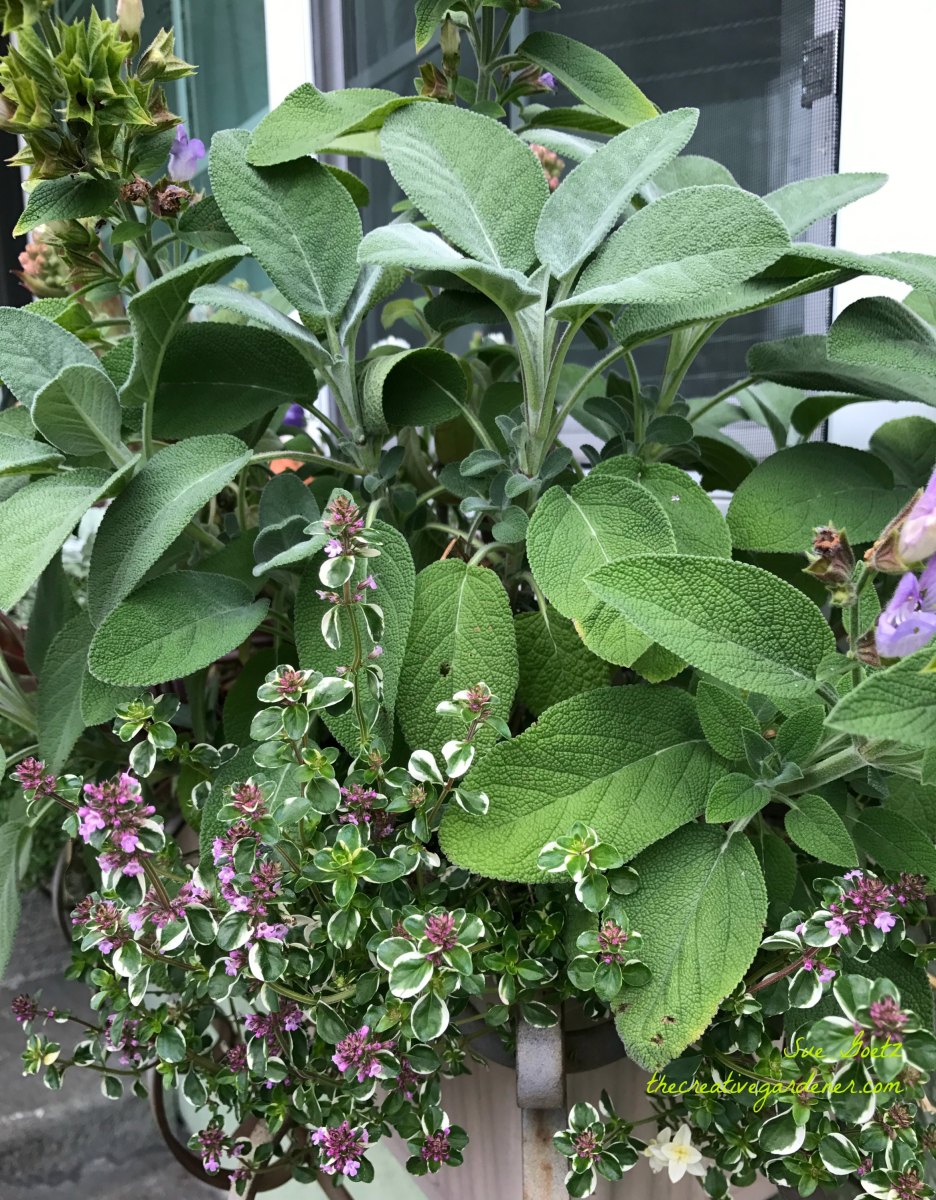
Sage: Discover the Wise Herb's Unexpected Dual Identity
In the rich tapestry of the English language, few words hold as much intrigue and duality as "sage." It’s a term that effortlessly conjures images of ancient philosophers dispensing profound wisdom, yet simultaneously brings to mind the earthy aroma of a beloved culinary herb. This fascinating convergence means we're exploring not just a word, but a concept embodied in both human intellect and botanical form – truly, an herb that's also a synonym for wise. This article delves into the captivating twin identities of sage, exploring its linguistic roots, its practical applications, and the unexpected ways it enriches our lives and language.Unpacking the Wisdom: What It Means to Be a "Sage"
When we speak of a "sage" in human terms, we are referring to an individual of profound wisdom, keen judgment, and often, extensive experience. This isn't merely someone intelligent; it's a person who possesses a deep understanding of complex issues and an uncanny ability to apply knowledge intelligently.The journey of the word "sage" into English began around the early 12th century, arriving from the Old French 'sabius'. This, in turn, was derived from the Latin verb 'sapere', which originally meant "to taste," but evolved to signify "to have good taste," and ultimately, "to be wise." This etymological lineage highlights a fascinating link between discernment of flavor and discernment of truth. To learn more about this linguistic evolution, explore From Sapere to Sage: Tracing the Roots of Profound Wisdom.
Defining the Qualities of a Sage
- Deep Understanding: A sage possesses more than surface-level knowledge; they grasp the core principles and intricacies of a subject.
- Intelligent Application: Wisdom isn't just knowing facts, but knowing *how* and *when* to use them effectively. A sage's advice is not just insightful, but actionable.
- Judicious Counsel: Like a trusted advisor, a sage offers balanced, well-considered advice that guides others towards beneficial outcomes. Imagine the kind of friend whose timely input prevented you from sending that regrettable email!
- Insight in Specific Fields: While the image of a general 'wise man' persists, modern usage often applies "sage" to experts who offer unparalleled insight within a particular domain – think of a "policy sage" or a "marketing sage."
Becoming a sage isn't about age alone, but a lifelong commitment to learning, reflection, and empathetic understanding. It involves critically analyzing experiences, embracing diverse perspectives, and continuously refining one's internal framework for interpreting the world. A truly sagacious individual embodies patience, humility, and a clear-eyed perspective that cuts through noise to illuminate essential truths.
The Earthy Counterpart: Sage, the Versatile Herb
Stepping away from the realm of abstract wisdom, we encounter the other, equally compelling identity of sage: a fragrant, perennial herb that's also a synonym for wise. Salvia officinalis, as it's botanically known, is a member of the mint family and has been revered for centuries for its aromatic leaves and multitude of uses.Culinary Delights with Sage
In the kitchen, sage is a powerhouse of flavor. Its slightly peppery, earthy, and savory notes make it a staple in various cuisines around the world. Here are some popular culinary applications:
- Hearty Meats: Sage is a classic pairing for poultry (especially turkey), pork, and sausages. It’s often found in stuffings and gravies, particularly during holiday feasts.
- Pasta and Sauces: A simple yet elegant brown butter and sage sauce is a revelation over ravioli or gnocchi.
- Vegetable Dishes: Roasted root vegetables like potatoes, squash, and carrots are elevated by the addition of fresh sage leaves.
- Flavored Oils and Vinegars: Infuse olive oil or white wine vinegar with sage for a unique dressing or finishing oil.
Chef's Tip: When cooking with sage, remember that its flavor is robust. Use it sparingly at first, especially with dried sage, which is more concentrated than fresh. Fresh sage leaves can also be fried until crisp for a beautiful and delicious garnish!
Medicinal and Aromatic Uses of Sage
Beyond the plate, the sage plant has a long history in traditional medicine and spiritual practices, earning its place as a venerated plant:
- Traditional Remedies: Historically, sage has been used for its antiseptic, anti-inflammatory, and astringent properties. It was commonly employed as a gargle for sore throats and mouth inflammations, and a digestive aid.
- Antioxidant Properties: Modern science confirms sage contains powerful antioxidants like rosmarinic acid, which contribute to its potential health benefits.
- Aromatherapy and Cleansing: Dried sage bundles are often used for "smudging," a practice rooted in indigenous cultures for purification and cleansing spaces of negative energy. While popular, it's important to approach this practice with respect and understanding of its cultural origins.
- Hair and Skin Care: Sage infusions are sometimes used as a hair rinse to promote shine and darken hair naturally, or as a topical astringent for skin.
Disclaimer: While sage has a long history of traditional use, always consult a healthcare professional before using it for medicinal purposes, especially if pregnant, nursing, or on medication.
The Linguistic Crossroads: A Coincidence of Identity
It's natural to wonder if there's a deep, hidden connection between the wise person and the wise herb. Do they share a common root, perhaps signifying ancient reverence for both wisdom and the plant's healing properties? Intriguingly, it seems their shared name is largely a delightful linguistic coincidence. The human "sage" stems from Latin 'sapere' (to be wise), while the botanical "sage" (Salvia officinalis) gets its genus name 'Salvia' from the Latin 'salvere', meaning "to save" or "to heal." Both words arrived in English through Old French, creating a serendipitous homonym.This happy accident, however, enriches the English language, giving "sage" a unique depth. It forces us to engage with context, to discern whether a discussion involves profound thought or pungent leaves. This duality often sparks curiosity, making "sage" a memorable and thought-provoking term.
Sage in Modern Culture: A Name and a Day
The resonance of "sage" as a concept of wisdom has not diminished. In fact, it has found a new form of expression in contemporary culture: as a popular personal name. "Sage" is a unisex name, but it has seen a surge in popularity, particularly for girls, reflecting a desire to imbue children with qualities of wisdom and good judgment from birth. This trend speaks volumes about the enduring appeal of the word's primary meaning. To explore this further, you might enjoy Is Your Child a Sage? The Growing Popularity of This Wise Name. Interestingly, the concept of sage is celebrated on 'National Sage Day,' acknowledging its significance in various forms.The appeal of giving a child a name that inherently carries a positive, aspirational meaning like "wisdom" is understandable. It's a subtle wish for their future character, a hope that they will embody the qualities of discernment, understanding, and thoughtful action that define a true sage.